Name, image, likeness, signature, voice and approved persona use.
COMMERCIAL LEGACY · IP · LICENSING · RIGHTS
Know what you own, what you can use and where durable value may exist before entering a deal.
A counsel-supported strategy for families, talent, estates, clubs and brands seeking clarity across IP, likeness, archives, licensing, royalties, naming rights and venture pathways.
When this is relevant
Commercialisation begins with ownership, authority and evidence. A recognisable name or large audience is not the same as a clear right to transact.
BEFORE A DEAL
A favourable fee can conceal a costly association.
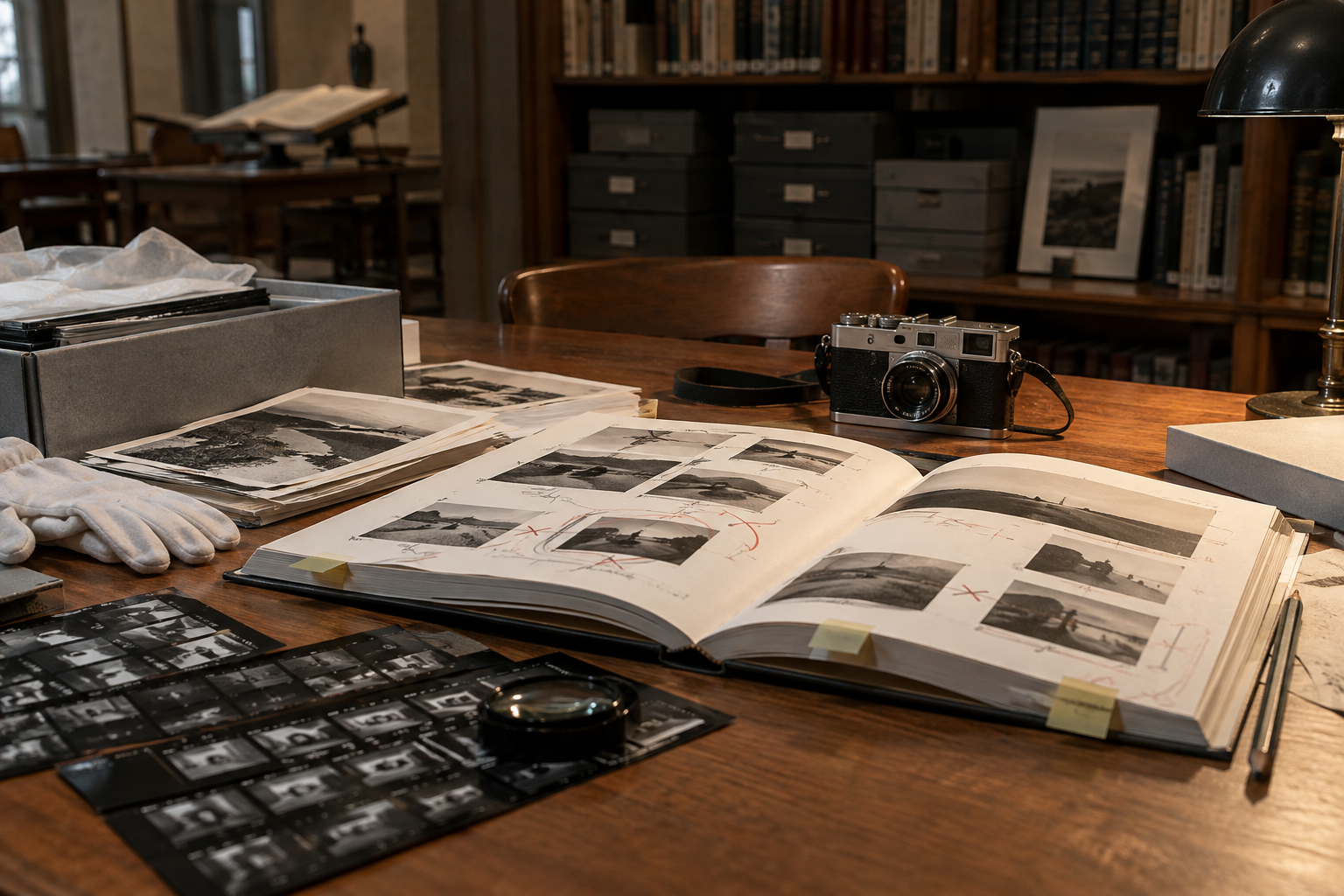
Consider a late founder's estate approached to license its name and archival imagery for a product. The proposed advance is substantial, but the photographs may belong to a separate rights holder, one heir objects to the category and the contract offers little control over quality or future use. The question is not whether the fee is attractive. It is what the family may lose the ability to decide later.
A careful review separates evidence of ownership from strategic permission to use the asset, then asks which territories, categories, approvals and exclusions protect the principal's intention. Counsel determines legal rights and enforceability. This situation is illustrative, not a client case.
THE FIRST PRINCIPLE
Legacy can be commercially significant—and legally fragmented.
Names, images, archives, recordings, trademarks, designs, stories, catalogues, objects, venues and fan relationships may sit across different owners, territories, contracts and periods.
The first task is not to launch a product. It is to establish a defensible map of rights, gaps, constraints, partners and possible options.
RIGHTS LANDSCAPE
What we examine
Trademarks, naming systems, visual codes, categories and territories.
Books, photographs, film, music, recordings, archives and designs.
Endorsements, sponsorship, media, merchandising and representation.
Artworks, objects, memorabilia, catalogues and provenance records.
Demand for licensing, editions, experiences, media, membership or ventures.
THE REVIEW
Turn fragmented material into a defensible set of decisions.
The first useful output is a decision map: which asset is actually proposed, who can authorise its use, what evidence supports that authority, which advisers already hold relevant knowledge and how the proposed partner would operate. A right that is technically available may still be inconsistent with a family, artist or institution's purpose.
Only after that map can counsel, operators and rights specialists investigate feasible terms. Economic potential should be tested against demand, partner quality, control and long-term reputation, with an explicit option to decline.
- Create an initial inventory of relevant assets and claims.
- Flag chain-of-title, consent, territory, duration, exclusivity and partner questions for counsel.
- Separate protect, clarify, activate, partner, acquire, license, build and defer decisions.
- Prioritise options by strategic fit, evidence, demand, delivery burden and risk.
- Produce a roadmap for counsel, licensing agents, operators, investors or an internal rights team.
POSSIBLE OPTIONS
Activation follows clarity.
Licensing & royaltiesCollectibles & editionsNaming rightsSponsorshipArchive licensingTalent venturesCatalogue acquisitionCo-owned IP
ROLE DESIGN
How Legacy Private Office participates
Legacy Private Office holds the strategic thread.
Asset map, commercial thesis, partner logic, sequencing, governance and senior orchestration.
Specialists retain specialist authority.
IP counsel confirms legal ownership and enforceability. Valuation, tax, investment, brokerage, operations, manufacturing and fulfilment remain with accountable specialists.
A later engagement may use fee, retainer, royalty, equity, co-owned IP, revenue share, JV or build-operate-sell structures. No such structure is assumed at the review stage.
WHEN THIS IS USEFUL
A strong fit requires a real asset, a real decision and willingness to verify control.
A STRONG FIT
- A genuine licensing, rights, sponsorship, acquisition or partnership question exists
- Ownership, consent and approval pathways require clarification
- The name, archive, catalogue or cultural asset has evidence behind it
- Long-term reputation and control matter as much as headline revenue
- The principal is prepared to involve qualified counsel and operators
ANOTHER RESPONSE MAY BE BETTER
- The request assumes rights or ownership that cannot be supported
- Guaranteed revenue, valuation or buyer access is required
- A broker, licensing agent or lawyer already holds a complete narrow mandate
- The opportunity depends mainly on borrowed fame without a viable product or operator
- The proposed association conflicts with the principal's stated boundaries
WHAT YOU CAN EXPECT
A decision map before a commercial commitment.
The first output records the asset in question, factual evidence, decision authority, legal questions, proposed uses, exclusions, partner criteria and assumptions that still require verification. It distinguishes what can be explored now from what must wait for counsel, demand evidence or operational proof.
If further work is justified, the next brief sets approval gates, specialist roles, economic questions and a bounded route to test the opportunity. The answer may be to negotiate, narrow, reserve, defer or decline.
QUESTIONS OF FIT
Before rights become a commercial commitment.
No. The review can include copyright, likeness, archives, contracts, catalogue rights, designs, cultural assets and other potentially relevant rights, with counsel determining legal status.
A later engagement may include partner strategy and selected introductions, but only after the asset, rights, fit and commercial thesis are sufficiently clear.
Potentially, in selected engagements where contribution, control, risk and governance justify aligned economics. It is not the default for every project.
Yes. Clubs, estates, talent and rights portfolios can require distinct league, guild, representation, consent, data and succession considerations.
That is a reason to pause commercial commitment, not to imply a legal conclusion. We can map the factual and strategic questions; qualified counsel must determine ownership, enforceability and permissible use.
Yes. A category, partner, term or association may create more long-term cost than value. A defensible decline can be a successful outcome of the review.
A real commercial approach or activation decision exists, but ownership, approvals, exclusions, demand or long-term fit remain unresolved. Relevance is defined by consequence, timing and the cost of fragmented decisions—not by status or a fixed wealth threshold.
No. Begin with what changed, the decision you are facing and what you are trying to protect. A first conversation can distinguish a narrow specialist brief, a Private Review and a wider coordinated engagement.
Yes. A principal or trusted adviser can describe the fact pattern, timing and desired outcome without naming the family or sharing confidential records. Identity and documents should follow only after fit, authority, conflicts and confidentiality are clear.
Usually not. The role is to keep the wider objective, sequence and decision memory connected while legal, tax, investment, immigration, brokerage, valuation, security and other qualified specialists retain authority in their fields.
It should clarify the decision owner, relevant evidence, stakeholders, privacy boundaries, risks, specialist roles and the smallest defensible next step. It should remain useful even if the recommendation is to pause or continue with an existing adviser.
Yes. Family-only, adviser, board, restricted and public layers can be separated. A public book, film, profile, event or venture is never assumed simply because the underlying subject has public value.
A sensible first step
Clarity before commercialisation.
Map ownership, authority, constraints and possible options before entering licensing, royalty, sponsorship, venture or ownership structures.
Request a Commercial Legacy & IP Review