MOMENT THAT MATTERS

Rights, Licensing or Acquisition Approach

A commercial party wants to use, license, acquire or partner around a name, archive, catalogue, story or cultural asset.

When this is relevant

Commercial momentum can outrun clarity about ownership, approval authority, exclusions and long-term fit.

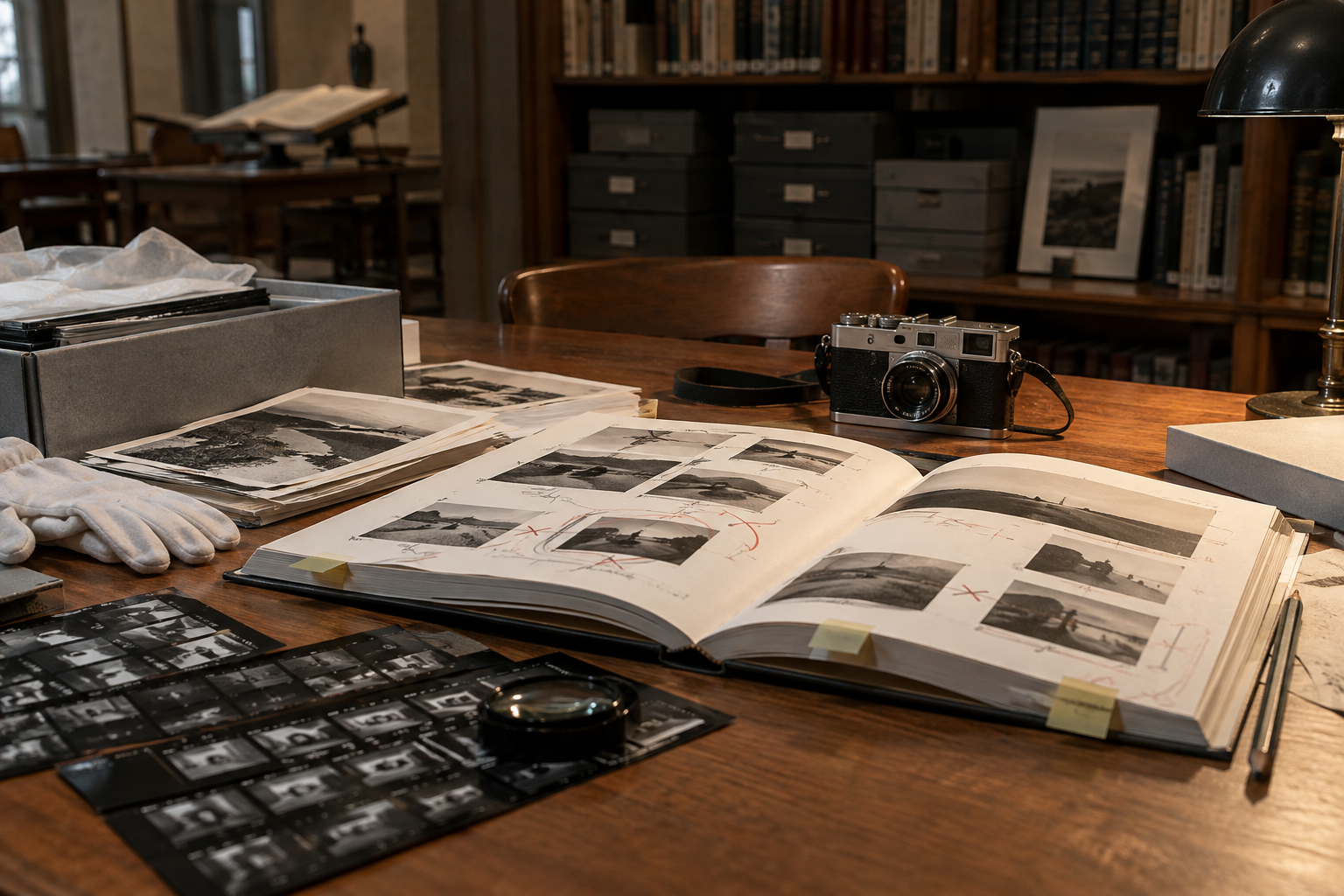
Rights, Licensing or Acquisition Approach represented through a private decision setting

THE SITUATION

Recognise the decision before choosing its output.

Consider this illustrative situation: A licensing proposal arrives with a short acceptance window. The apparent fee is only one term; category, territory, duration, approval and revocation may shape the legacy more deeply.

A commercial party wants to use, license, acquire or partner around a name, archive, catalogue, story or cultural asset. The visible request may be a book, move, announcement, licence, archive, event or venture. The real question is what becomes harder to reverse once the first commitment is made.

Commercial momentum can outrun clarity about ownership, approval authority, exclusions and long-term fit.

WHO MAY ENCOUNTER THIS

The same moment affects different decision-makers in different ways.

Rights ownersFamilies and estatesTalentClubsHeritage brands

WHAT MAY BECOME RELEVANT

Several forms of work may need to remain connected.

A useful scope starts with the evidence and people that cannot wait, followed by decisions that can be postponed. These forms of work are chosen for this moment, not assumed as one package.

Rights map

Asset thesis

Partner assessment

Licensing structure

Governance and counsel coordination

CONNECTED EXPERTISE

See how the underlying work is approached.

IP, Rights, Licensing & Royalties

The first question is not the fee. It is what rights exist, who controls them, what evidence supports the asset and which associations remain acceptable over time.

Clarify control and commercial logic before a name, story, archive, catalogue or cultural asset is used by others.

Explore this area ↗

Ventures, Ownership & Enterprise

Excitement is not a venture thesis. The family name and capital should be committed only after advantage, demand, ownership and stop conditions are explicit.

Evaluate what to build, buy, back or spin out around a defensible family, founder, talent or heritage advantage.

Explore this area ↗

Reputation Intelligence & Strategic Narrative

Reputation is not cosmetic publicity. It is the cumulative result of facts, conduct, associations, visibility, third-party accounts and the quality of the official record.

Understand what is being believed, what the evidence supports and where silence, inconsistency or exposure creates risk.

Explore this area ↗

BEFORE COMMITTING

Four questions help determine the right response.

What changed, and why does it matter now?

What could be lost, weakened or prematurely fixed?

Who owns the decision, and who is affected?

What evidence would make the next step defensible?

WHAT HAPPENS FIRST

The first decision can be smaller than the eventual programme.

We can begin with a non-identifying account of the situation. A defined review identifies the people who should decide, the most time-sensitive evidence, existing specialist advisers and any proposed action that should pause until rights or consent are clear.

The resulting recommendation may be an interview plan, rights map, archive review, reputation brief, cultural brief or venture test. It should tell you what to do next, what to leave alone and who must be involved. It does not require you to begin every connected service.

QUESTIONS BEFORE CONTACT

Questions about Rights, Licensing or Acquisition Approach

Read the complete questions guide

A sensible first step

Begin with what has changed.

The first conversation can determine what this moment now affects, what should not begin yet and whether a private review is justified.

Discuss What Has Changed